

Know When To Press The Button

As photographers, we are often asked about our images — where they were captured, the conditions at the time, and the process behind creating them.
It’s a common question from both fellow photographers and the general public when viewing our work. But how do we articulate that process? How do we recognise the precise moment to press the shutter and capture a compelling image with wonderful light?
Let’s take a closer look and explore how those decisions come together when considering when to shoot and in what conditions.

Much of what goes into creating a successful photograph happens well before the shutter is ever pressed. There’s a common perception that you can simply arrive at a location, set up a tripod, and take the shot. While that would be ideal, meaningful images often require far more preparation. Thoughtful planning significantly increases your chances of capturing something truly special.
For me, planning around weather and seasonal conditions is one of the most important elements in creating stronger images. Turning up to a location on any random day is unlikely to yield the best results—unless you get lucky.
Instead, take the time to study upcoming weather forecasts. Will there be rain or snow? A foggy morning? Or clear blue skies with harsh light?
These conditions can dramatically influence the mood and success of a photograph, and understanding them allows you to be in the right place at the right time. To me it's all about the right light. Composition comes later, but without the magic light or potential of great light it is a hard task to get a great images if you don't have it.
 Weather:
Weather plays a significant role in both my workflow and the final look of my images. I tend to avoid days with harsh, contrasty light—particularly during the height of summer—and instead seek out foggy, moody, or wet conditions. These elements help create the atmosphere and depth that suit mountain and forest landscapes especially well.
Regularly checking your weather app is essential. I personally use WINDY, which provides an excellent level of detail, including weather patterns and forecasts for locations worldwide. When planning to photograph a specific waterfall or forest scene, I’ll often wait for a forecast that includes light rain and/or fog in the morning. When those conditions align, that’s my cue to head out.
If there is changing weather on the way—such as an incoming rain front, thunderstorms or snowstorms—I’ll try to position myself at a strong location for sunset. The old saying, “Red sky at night, shepherd’s delight; red sky in the morning, shepherd’s warning,” holds true across much of the world.
Incoming weather often brings atmospheric moisture, increasing the likelihood of dramatic light and colour at sunrise or sunset as the moisture in the atmosphere reacts to the light passing through it.

Time of Day:
One of the simplest ways to improve your photography is also one of the most overlooked: don’t be lazy with your timing.
Make the effort to get up early and be in position for sunrise, or head out after work or on weekends to shoot at sunset. These moments consistently deliver the most flattering and dynamic light. Planning ahead is essential. Look for locations with expansive vistas, elevated viewpoints, or sweeping coastlines that allow light to interact beautifully with the landscape.
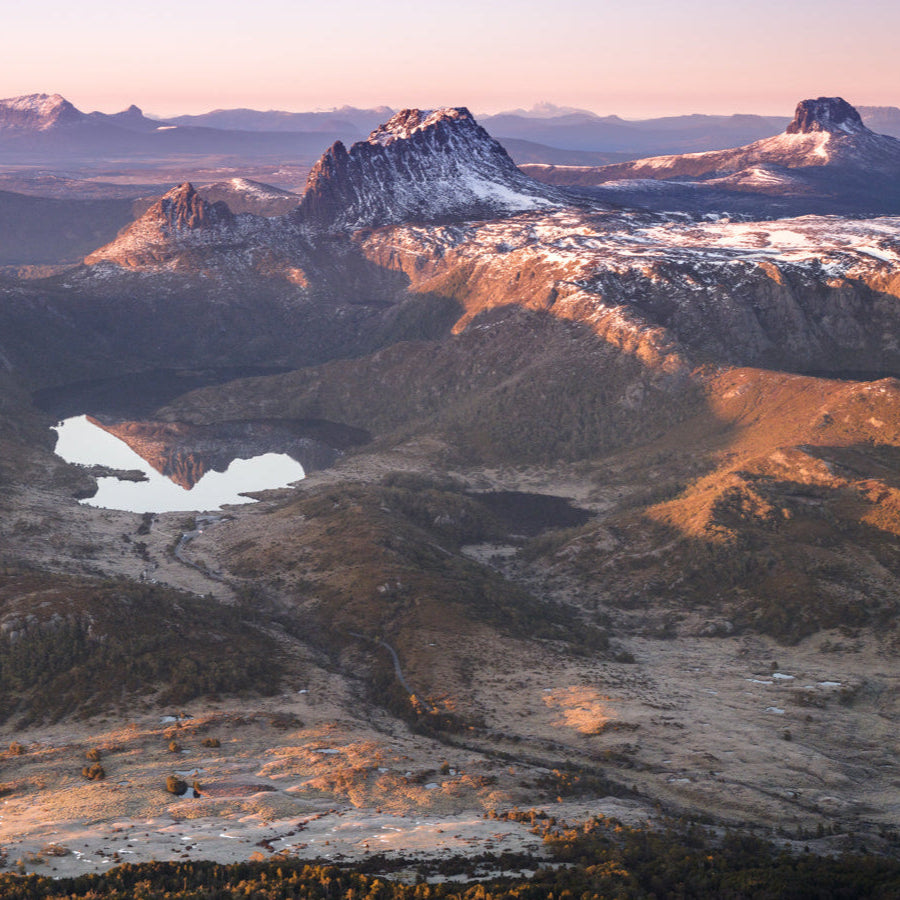
Without question, many of my strongest images have been captured at sunrise or sunset—but not by arriving at the last minute. Aim to arrive at least an hour early. Use that time to explore, refine your composition, and be ready for both the blue hour and the golden hour, when the quality of light can change rapidly and dramatically.
A valuable tool for planning sunrise and sunset shoots is PhotoPills. This app allows you to see exactly when, where, and at what angle the sun will rise and set, making it an excellent resource for planning ahead—especially when travelling. You can even look forward in time to align specific locations with ideal light.
I often say the quickest way to improve your landscape photography is simply to put in the effort. Be lazy, and you’ll miss the best conditions.
If you’re fortunate enough to experience atmospheric weather at sunrise or sunset, you’re almost guaranteed something special. Shooting during the harsher parts of the day usually results in flatter light, reduced colour, and stronger contrasts—conditions that can work well for black and white photography, but are far less forgiving for colour work.
Hope that helps a little bit with how to look for that great light and improve your landscape photography. Simple rules;
Watch the weather - look for mood or drama
Don't be LAZY - get up and out there!
Good Luck
Cam Blake
❤️ PLEASE NOTE ALL IMAGES ARE FOR SALE - PLEASE VISIT WWW.PENCILPINE.AU

Leave a comment